London City Ballet, Double Bill at Sadler’s Wells
Posted: November 1st, 2026 | Author: Nicholas Minns | Filed under: Performance | Tags: Alina Cojocaru, Christopher Marney, David Fray, Francesca Velicu, Glen Tetley, Ivan Urban, John Macfarlane, John Neumeier, Jospeh Taylor, Josué Gomez, London City Ballet, Mette Hønningen, Nicolas Glässman | Comments Off on London City Ballet, Double Bill at Sadler’s WellsLondon City Ballet, Double Bill, Sadler’s Wells Theatre, October 23
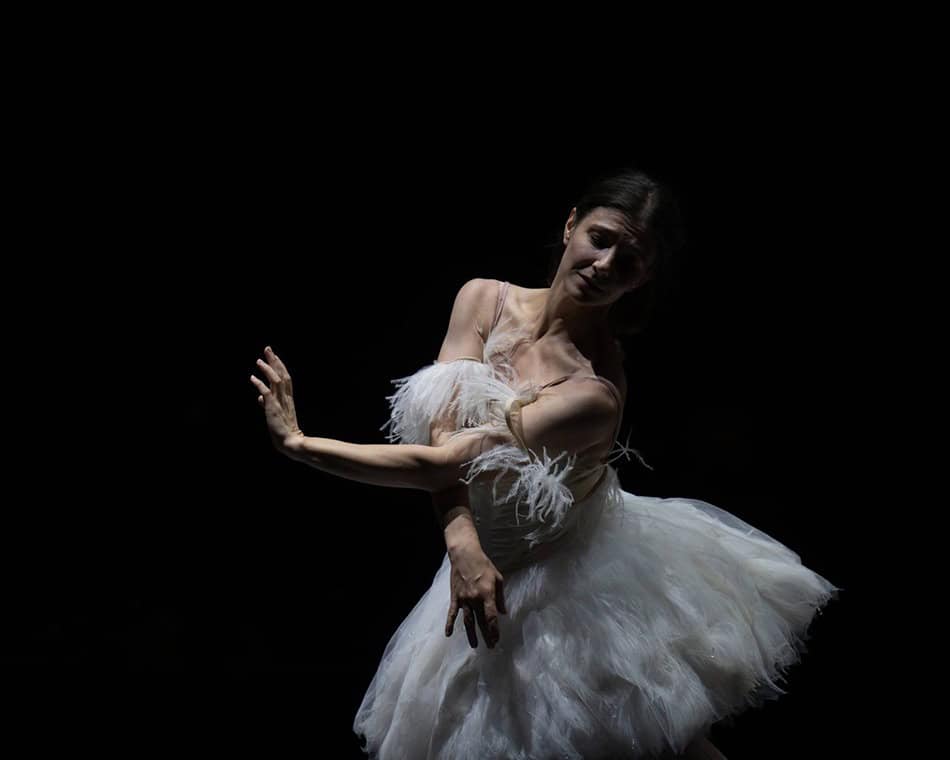
For a smaller ballet company fighting its corner on the London dance scene, programming is key to bringing in audiences. The artistic director of London City Ballet Christopher Marney must know this for he has presented his company at Sadler’s Wells Theatre in a double bill of John Neumeier’s Ghost Light and Glen Tetley’s Firebird. Both choreographers are legends, connected by their American roots and their proximity to another legend, John Cranko, but the treatment and symbolism of light in both works unites them, making a poetic and thoroughly thought-provoking evening.
The two works are choreographed 40 years apart — Firebird in 1981 for the Royal Danish Ballet, and Ghost Light for Neumeier’s Hamburg Ballet in 2020, during the Covid epidemic. It has been staged by two members of Hamburg Ballet, Ivan Urban and Nicolas Glässman.
I heard comments in the intermission that Ghost Light was ‘too long’ but I think we have to allow Neumeier to judge that to his own satisfaction. It was created during the covid epidemic — itself an event that made one question time — during which Neumeier was allowed to work with a small number of dancers for an hour each day, choreographing on those who lived together. The idiosyncracies of the choreography, set to a series of Schubert piano pieces recorded by David Fray, reflect this, giving full rein to not only the personalities of the performers but the pervasive sense of the surreal during the epidemic. Alina Cojocaru sets the tone in her romantic tutu and flowing arms as she steps on to the bare, silent stage with its single electric light bulb and overturned chair. Unwilling to accept the epidemic’s fateful proscription of the theatre, she looks around for a sign of life. “We have to dance. I’m ready…” Josué Gomez answers her call and partners her in a fleeting moment of Swan Lake before lifting her off. Under Neumeier’s own lighting, subsequent solos and duets merge on the stage, marrying different eras of dance in a continuum of theatrical time. The story, if there is one, is a physical representation of a rupture in the lives of these dancers, excluded from rehearsals and public performance but redeemed through the introspective structure of Neumeier’s choreography. Once the theatres opened again and the dancers came together, the work was moulded into something like its present form, with revisions by Neumeier for London City Ballet. Ghost Light is elegiac, Brueghel-like in its detail, and a reminder of how a creative intelligence can carve a sense of unity out of a health and administrative crisis.
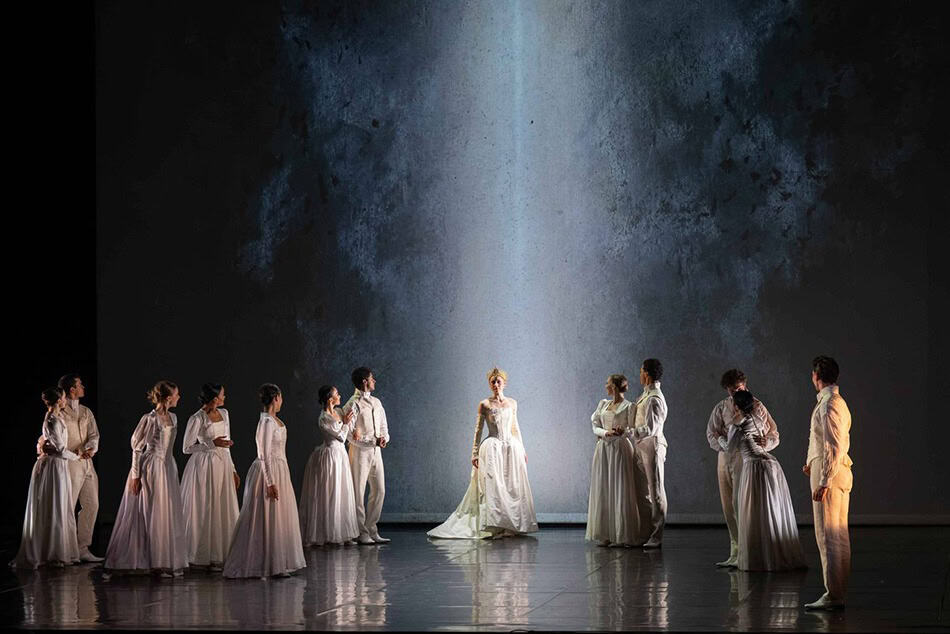
With John Macfarlane’s original sets and costumes, Tetley’s Firebird summons up an era of ballet where darkness was the theatrical ground, not only in terms of illumination but in dramatic and psychological intensity; Tetley had danced in the Martha Graham company and knew where he had come from. Using the suite from Stravinsky’s Firebird score, he changed the story from a fairy tale to a gothic tale of a young girl resisting the puritan pressures of her upbringing to find her own light and love. It was created on the Royal Danish Ballet and scored a huge success at its première in New York with Mette Hønningen as the Firebird. Photographs in the London City Ballet program suggest the intensity of the original cast, and this is a clue to the current performance. Christopher Marney staged the work, with input from Hønningen herself, but such input counts for little unless it is meaningfully embodied in the dancers. The story is very much about light forcing itself out of the darkness, but London City Ballet’s interpretation tended towards a register of grey. The sensations and intentions within the choreography need as much clarity as the steps. The erotic tension between Francesca Velicu as the Firebird and Joseph Taylor as the young man Ivan need ramping up to convince us they can break through their stifling society. This is an allegory of our time where the feminine spirit needs to struggle to be heard above the throng of patriarchal domination. What the Firebird does over the course of Tetley’s ballet is to transform those who would keep her within the traditional prison of conventional behaviour into guests at her wedding. It’s there in the choreography, in the décor and costumes and in the music. But we need to see it in the dance. What London City Ballet has done is to reconstruct the steps but not the physical and psychological intention behind them, so the tale cannot achieve its purpose.